Fuelling business growth through strategic data solutions and partnerships.



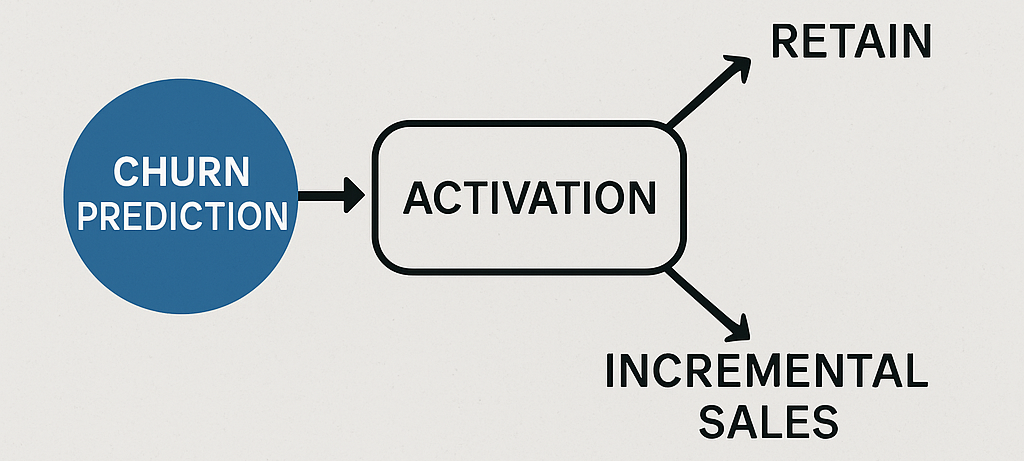
In the fast-paced world of Quick Service Restaurants (QSR), keeping customers coming back is more than just good business, it’s an art form. With the right tools and strategies, QSRs can transform fleeting visits into lasting relationships, turning first-time diners into loyal patrons.
The Power of Prediction
Imagine knowing which customers are about to walk away before they do. That’s the game-changing potential of churn prediction in the QSR industry. By harnessing data and advanced analytics, restaurants can spot the early warning signs of customer disengagement and take proactive steps to reignite their interest.
Consider this: increasing customer retention by a mere 5% can boost profits by 25% to 95% (Source: Harvard Business Review (1)). In the competitive QSR landscape, where margins are tight and competition is fierce, these numbers aren’t just impressive, they’re transformative.
Decoding Customer Behavior
The key to retention lies in understanding the subtle shifts in customer behavior that signal potential churn. It’s not just about who hasn’t visited in a while; it’s about recognizing the nuanced changes that precede a customer’s decision to leave.
*Digital Engagement Dips: In today’s app-driven world, a customer’s digital footprint can speak volumes. A sudden drop in app usage or online ordering frequency might be the first red flag.
*Feedback Silence: Sometimes, it’s not what customers say, but what they don’t say that matters. A lack of feedback, especially after a history of engagement, could indicate waning interest or satisfaction.
*Promotion Fatigue: If your once-enthusiastic customers start ignoring your latest deals, it might be time to reassess your approach.
*RFM Analysis: This classic marketing technique (Recency, Frequency, Monetary value) remains a powerful tool in predicting churn. By analyzing when a customer last visited, how often they come, and how much they spend, QSRs can identify at-risk segments and tailor their retention strategies accordingly.
Leveraging Data for Deeper Connections: From Insight to Impact
The wealth of data available to QSRs today is staggering. From loyalty programs to mobile apps, every interaction is an opportunity to learn and adapt. Here’s how savvy QSRs are putting this data to work:
*Craft a Loyalty Program That Learns: Beyond just points and rewards, design a program that captures valuable data and evolves with your customers’ changing preferences. This data is precious for understanding customer behavior and predicting churn.
*Personalize with Precision: Use AI-driven segmentation and order history to deliver hyper-targeted offers and recommendations that resonate on a personal level.
*Optimize the Digital Experience: Ensure your app and online platforms are not just functional, but delightful to use, encouraging frequent engagement. Monitor app usage patterns to spot early signs of disengagement.
*Rapid Response Feedback Loop: Implement systems to quickly address and learn from customer complaints, turning potential churn triggers into opportunities for loyalty.
*Predictive Menu Engineering: Use purchase patterns and predictive analytics to anticipate and meet customer cravings before they even realize them.
*Dynamic Pricing: Adjust prices and promotions in real-time based on individual customer value and churn risk, balancing profitability with customer retention.
By connecting these data-driven insights with tangible actions, QSRs can create a powerful strategy for reducing churn and fostering customer loyalty.
The Path Forward: Implementing Churn Prevention
Ready to revolutionize your customer retention strategy? Here’s how to get started:
*Audit Your Data Ecosystem: Take stock of what customer data you’re collecting and identify gaps that could provide deeper insights.
*Set Clear Metrics: Define what constitutes churn for your business and establish KPIs to measure the effectiveness of your retention efforts.
*Start with Simple Models: Begin with basic cohort analysis and gradually incorporate more sophisticated techniques like machine learning-based segmentation. Advanced segmentation, based on ML models, can uncover deeper patterns in customer behavior than traditional methods.
*Test and Learn: Implement A/B testing in your retention campaigns to continuously refine your approach.
*Embrace Advanced Analytics: As you grow more comfortable with data-driven decision making, explore advanced machine learning models like gradient boosting machines or neural networks to uncover deeper patterns in customer behavior. Continuously improve your strategies by regularly reviewing and refining your churn prediction and prevention efforts, becoming more sophisticated with ML models like neural networks to achieve the best results.
The Future of QSR Customer Retention
As we look ahead, the integration of AI and machine learning into churn prediction models promises even greater accuracy and personalization. Imagine a system that not only predicts churn but also prescribes the most effective intervention for each individual customer. By embracing these technologies, QSRs can create a virtuous cycle of customer satisfaction, loyalty, and growth.
The most successful QSRs will be those that see beyond the transaction to the individual, using data not just to predict behavior, but to truly understand and serve their customers better. This approach transforms churn prediction from a defensive strategy into a proactive tool for building deeper, more meaningful relationships with customers, ensuring they keep coming back, bite after satisfying bite.
Citations:
Fuelling business growth through strategic data solutions and partnerships.